






Elissa Milto brings more than two decades of hands-on experience running LEGO® robotics camps, spanning generations of LEGO Education platforms and thousands of student learners. As part of Tufts University’s Center for Engineering Education and Outreach (CEEO), a globally recognized leader in innovative STEM education, Elissa combines deep practical expertise with research-driven best practices to create engaging and effective learning experiences. This blog series draws on that unique blend of real-world insight and academic rigor to help educators design, run, and continually improve high-quality robotics camps. This is part two of a four-part series.
With your goals for campers in mind, it's time to work on the details of bringing your camp to life. In this second installment, we'll walk through things you need to do before you welcome campers. We’ll discuss advertising that sparks excitement, setting up seamless communication channels with families, and a registration process. We'll also tackle the all-important logistics of securing materials and planning the right space, before turning our attention to one of the most critical ingredients of a successful camp: your counselors. Finding the right people, interviewing them thoughtfully, and training them well can make the difference between a camp that merely runs and one that kids are begging to come back to.
Advertising
Meet families where they already are. The most effective channels for promoting a LEGO camp tend to be the ones that leverage places where children usually go.
- school and library newsletters
- community organizations such as the YMCA, Boys and Girls Clubs, and religious institutions often have bulletin boards
- Social media platforms like Facebook community groups, Instagram, and Nextdoor allow you to reach local parents organically, and a small paid boost with local radius targeting can dramatically expand your reach for just a few dollars.
- Word of mouth remains a powerful tool since past participants and their families are your most credible advocates.
- Finally, start building your own email list from year one; it will become one of your most valuable assets as returning families become the backbone of future enrollment.

Communicating Your Goals
Your marketing materials should answer three questions at a glance:
- What will my child do?
- What will they gain from participating in this camp?
- And is this the right fit for us?
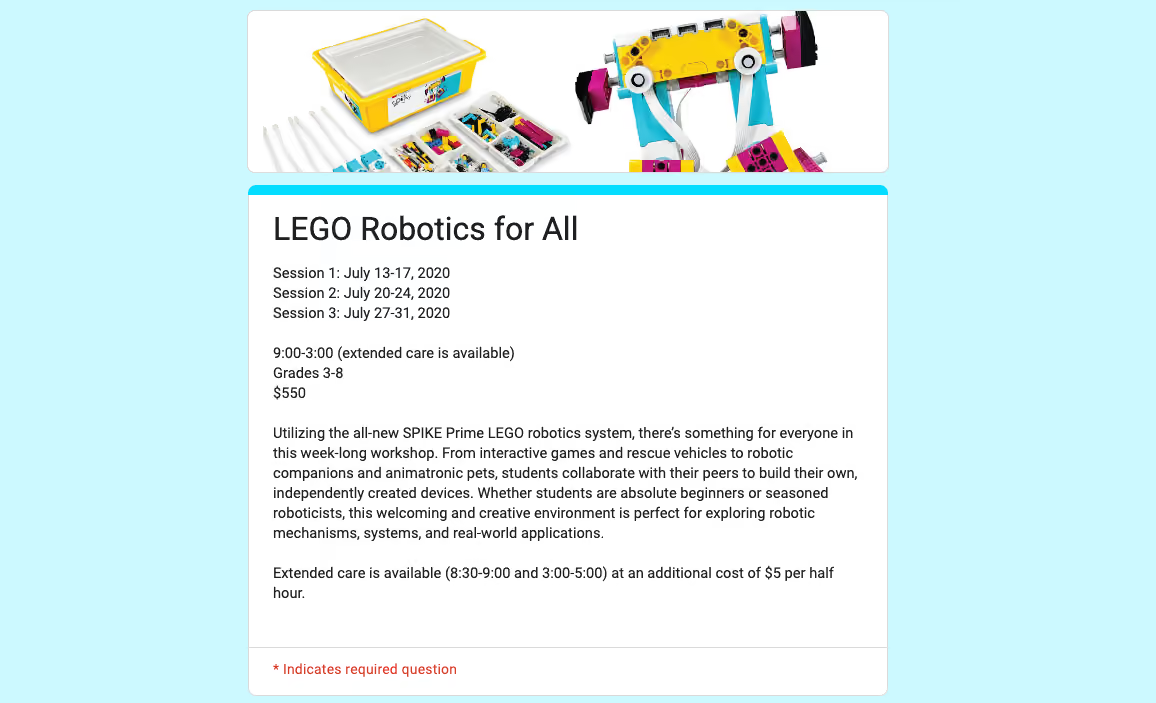
Lead with participant outcomes rather than program features. For example, "Your child will engineer, problem-solve, and collaborate" offers more about what it looks like than "Our program offers STEM activities." Be specific and upfront about the age range of children that will be in each session, dates, cost, location, and daily schedule. The more details you add, the more you will set your camp apart from the others that are out there, especially those where students build from directions. Use real photos and short testimonials from past participants (with permission) to give your program a human face. Aim to create two core marketing assets, a one-page flyer and a short landing page on your webpage. Both should link directly to your registration form and reflect the tone and energy of your program.
Registration
A smooth registration process signals professionalism and builds parent confidence before camp even begins. Before opening enrollment, decide on your maximum capacity based on your space, materials, and counselor-to-camper ratio, and set up a waitlist system from the start so you can fill vacancies quickly. Think carefully about your enrollment model. On the payment side, decide whether you'll require full payment upfront, accept deposits, or offer payment plans. Make sure your refund and cancellation policy is clearly stated. If you plan to offer need-based scholarships or a sliding scale, determine how you'll administer those discreetly so that financial barriers don't quietly exclude interested families.
Once someone registers, send an automatic confirmation email, followed by a detailed information packet four to six weeks before the start date so parents have plenty of time to complete any required forms. Finally, consider accessibility. If your community includes non-English-speaking families, even a translated version of your registration form can make a meaningful difference in who feels welcome.
Decide if you will offer families the option of filling out registration packets online or on paper. Information to request include:
- Basic info: participant's full name, date of birth, grade, gender (optional/self-describe)
- Contact info: parent/guardian name(s), phone, email, home address
- Emergency contacts: at least two people who are not the primary registrant
- Health & safety: allergies (food, environmental, medication), current medications, medical conditions, physician contact
- Authorized pickup list: who is permitted to pick up the child; photo ID policy
- Dietary needs: especially if meals or snacks are provided
- Special accommodations: learning differences, physical limitations, suggestions for support and accommodations
- T-shirt size: if applicable
- How they heard about you: valuable for future marketing decisions
- Photo/media release: explicit opt-in or opt-out for use in promotional materials
- Liability waiver & health authorization
Consult a local attorney for language appropriate to your jurisdiction regarding waivers and authorizations.
Communicating with Parents during the Camp
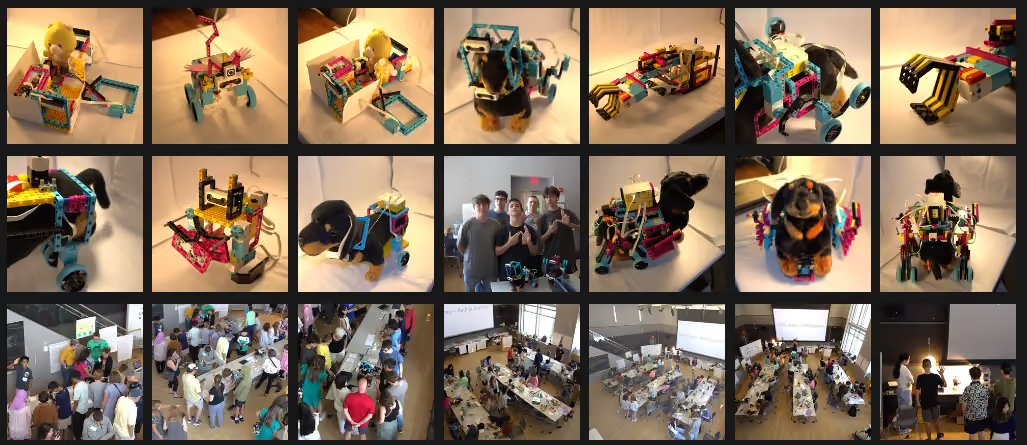
Decide how often you want to let parents know what their children are doing. Parents appreciate daily updates. An easy way to do this is to use a photo storage system like Smugmug. You can upload photos of what the students are doing and include a brief description that applies to everyone. It’s beneficial to enroll in a service before camp starts. This way you can set up different folders for each day and session, including the password for parents to access the site. At the end of a hectic day, you don’t want to have to create a new folder. This way you can just upload the photos. Daily communication can also be a selling point in your advertising.
Materials
Before you purchase new materials, take stock of what you already own. A thorough inventory of your existing LEGO sets, baseplates, bins, and accessories will help you see if you need to augment what you already have. Identifying what your design challenges will also help you see which LEGO pieces you may need to buy. Outlining the challenges will also help you if you need other types of materials such as rubber bands, cardstock, or craft materials. Give yourself enough lead time to order online, hunt for deals, or put out a community call for donations, as LEGO supplies have a way of accumulating in family basements just waiting to be put to good use.
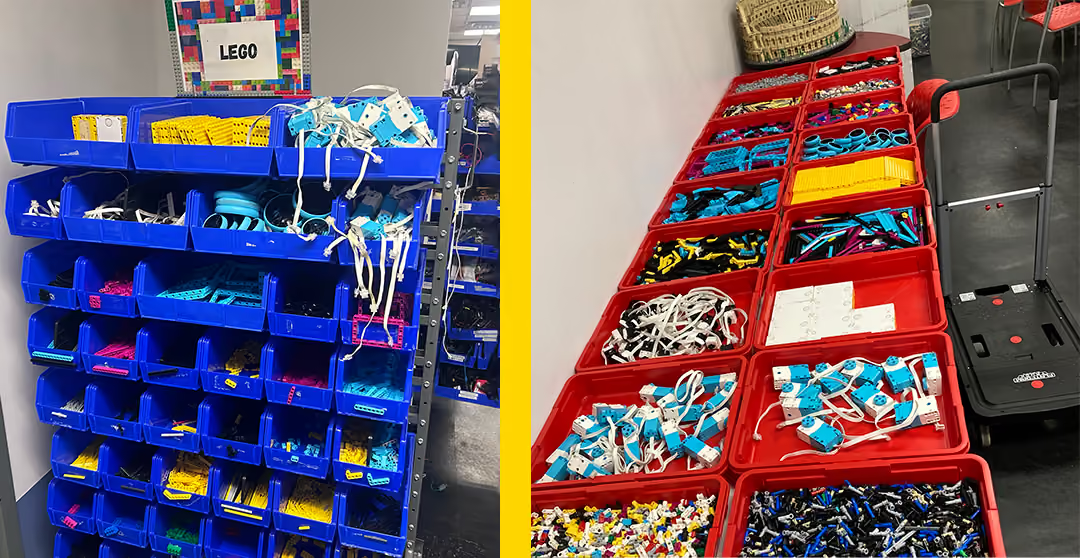
Equally important is deciding how your materials will be organized and distributed once students start working. The two most common approaches are kits, pre-packed bags or boxes assigned to individual campers or small groups, and buffet-style storage, where bricks are sorted by color or type in open bins that everyone draws from freely.
Kits give you tighter control over inventory and make cleanup more straightforward, but require more prep time upfront. Buffet storage encourages creative mixing but can lead to sorting headaches and missing pieces. If you go the kit route, decide how many campers will share each one, as that will affect both your purchase quantities and your daily logistics. Whatever system you choose, make sure materials are organized, labeled, and ready to go before the first camper walks through the door.
Space
Think through how you are going to use your space and what the physical flow of work will be through the day. How will campers transition between spaces without disrupting each other?A poor setup can lead to frustration among campers which can affect the whole experience. Think through the following
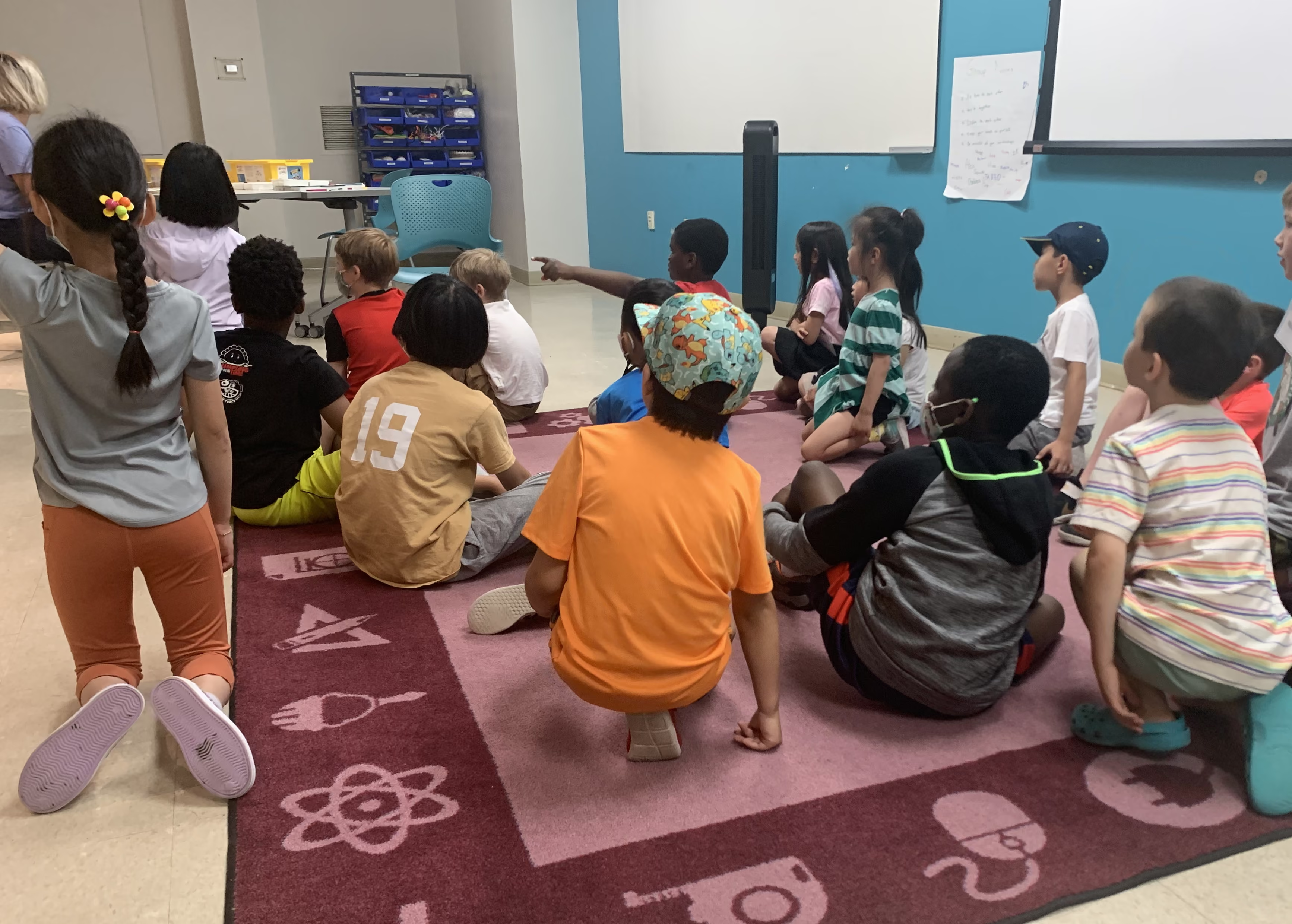
- Open space: Open space can be used by campers to test out their designs and have whole-group design reviews. If you have meetings in a circle in this space, campers will be more focused on the conversations when they aren’t touching their materials.
- Design space: Decide if you will have the building and digital spaces in the same spot. If students are able to do both in the same space, they will be able to test their designs more frequently. It also helps to keep traffic to a minimum.
- Storage space: Materials and equipment should have clearly designated space. There should also be room for campers to store projects from one day to the next. This is especially important if campers will be staying for after-care at the end of the day. You don’t want anyone’s work in progress to be destroyed.
- Quiet space: Some children need time away from the larger group. A space stocked with non-robotics activities can help a camper who needs a few minutes alone or to take a break from robotics.
Up Next:
Part 3: Recruiting, Interviewing, and Training Counselors (coming soon)
Part 4: Implementation (coming soon)
.svg)